FK ONE
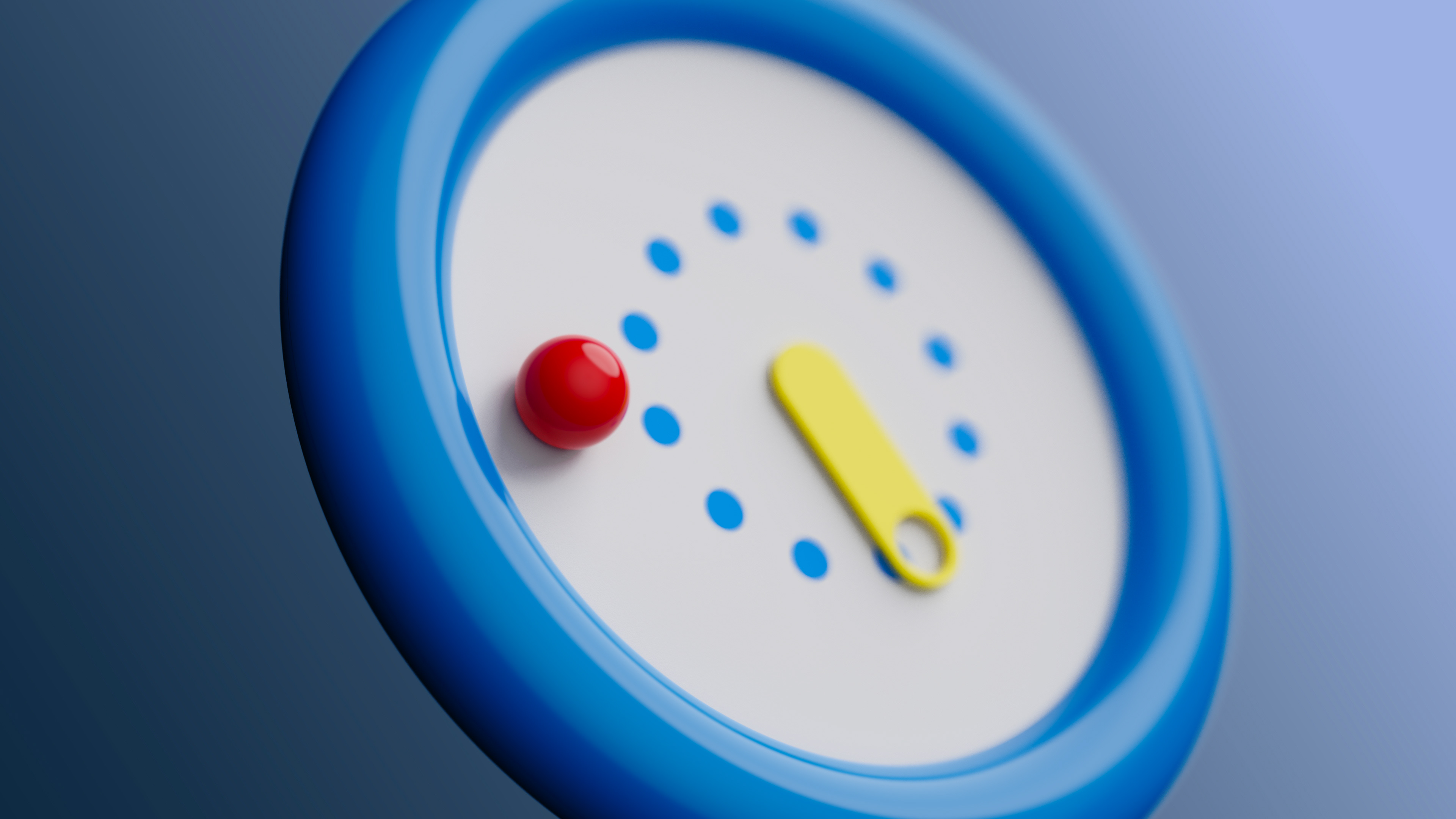
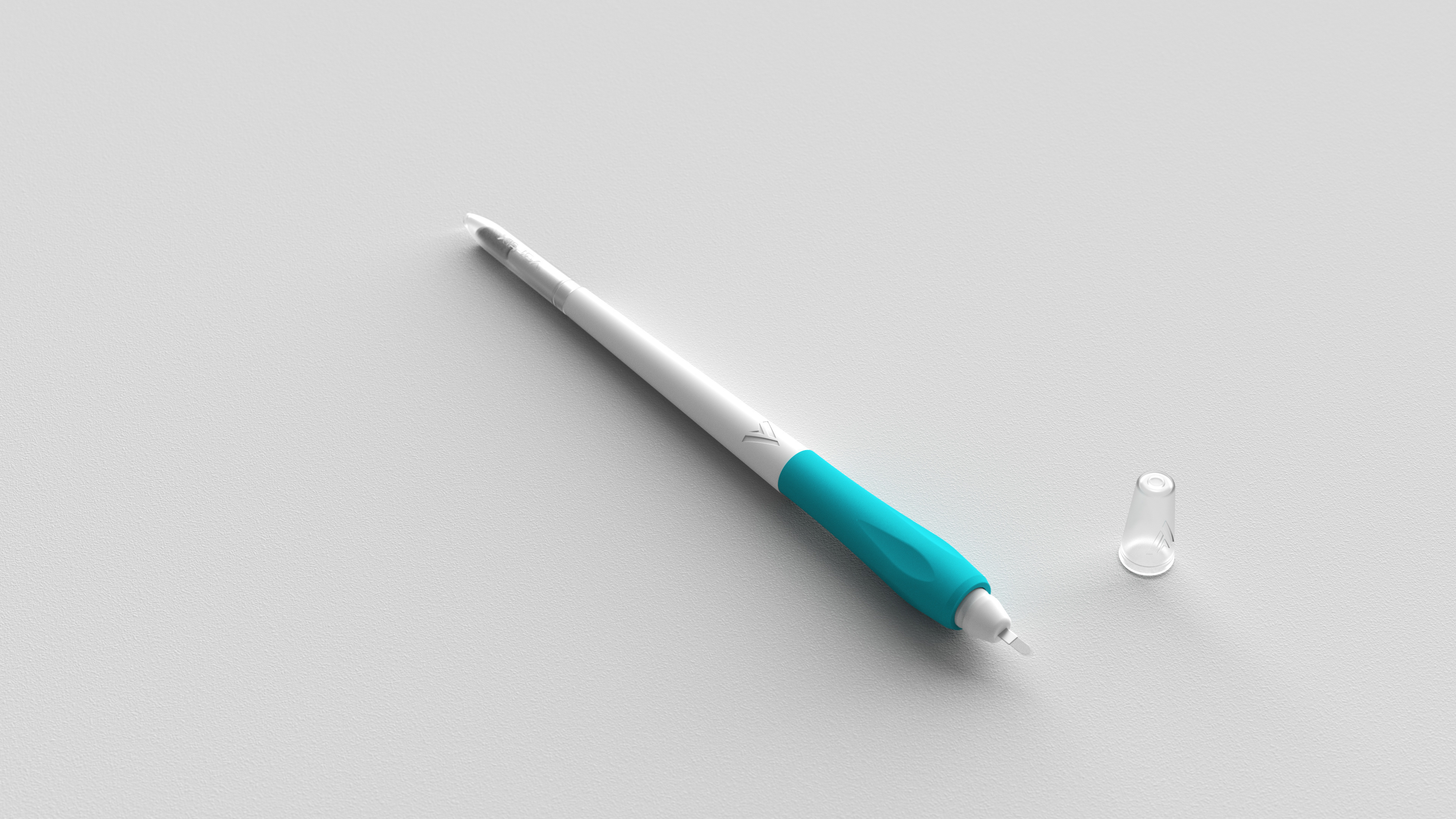
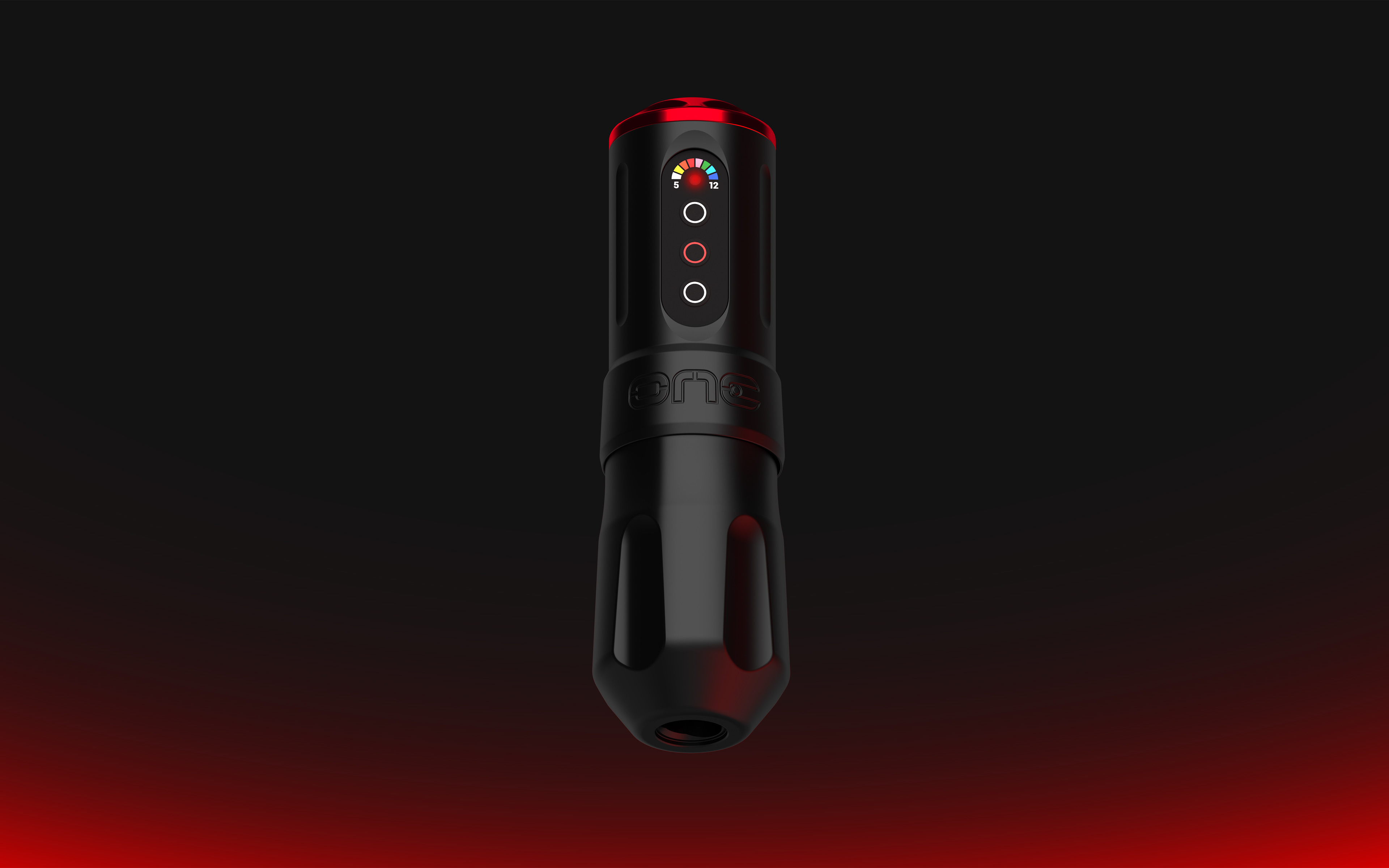
With pen style tattoo machines becoming the new standard for tattooing, the FK ONE is deliberate move to establish a relationship with artists at the very beginning of their careers. It brought FK Irons' standard of manufacturing to an accessible price point without designing something that felt like a lesser machine: pen-style form factor, drop-in rechargeable battery, click-ratchet needle depth adjustment, and a color LED voltage indicator that gives a first-time artist immediate, readable feedback without a screen to interpret.
The product is currently in production and is for sale on FK Irons' website here.
Engineering Team: Fernando Diaz
Marketing Team: Tyler Strover
My Role:
Market Research
Industrial Design
Design Strategy
Design for Manufacturing
Product Visualization
Packaging

The Opportunity:
Apprentices almost universally inherit whatever machine their mentor hands down. A heavy, analog coil equipment that bears no resemblance to the pen-style form factor now defining the industry. FK Irons had never designed for someone who didn't already know how to tattoo, and the brief was to earn loyalty at the very first rung of an artist's career, before it formed elsewhere. Thirty-five studios and trade shows and fifty-plus conversations later, the research pointed to one clear tension: apprentices wanted something that felt credible from day one, not a placeholder until they could afford a "real" machine. This was an instinct I validated by putting flagship machines directly in their hands and watching immediate, enthusiastic adoption.
The Outcome:
By adapting the already existing Modular Collection components for visual continuity, consolidating the PCB and motor into a single internal sleeve to cut part count and simplify assembly, and turning a tariff-forced pivot away from an LCD screen into a more durable, faster-to-produce membrane interface. The FK One launched as a complete package and became FK Irons' recommended entry point, now carried by every major tattoo supply distributor in North America and described as a "high-quality gateway machine" that does not compromise relative to the flagship line of tattoo machines.


Start Your Journey With An FK Irons
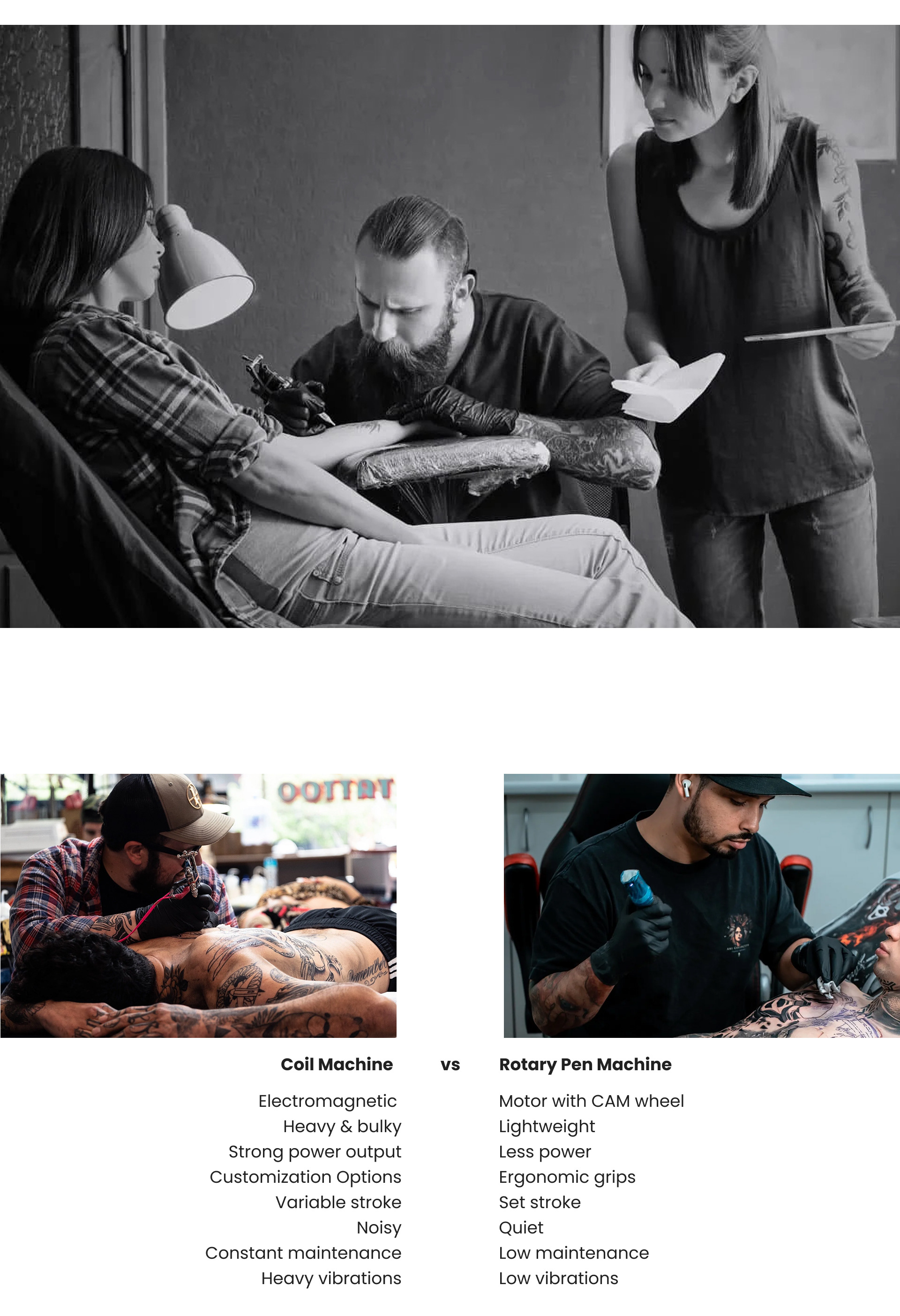
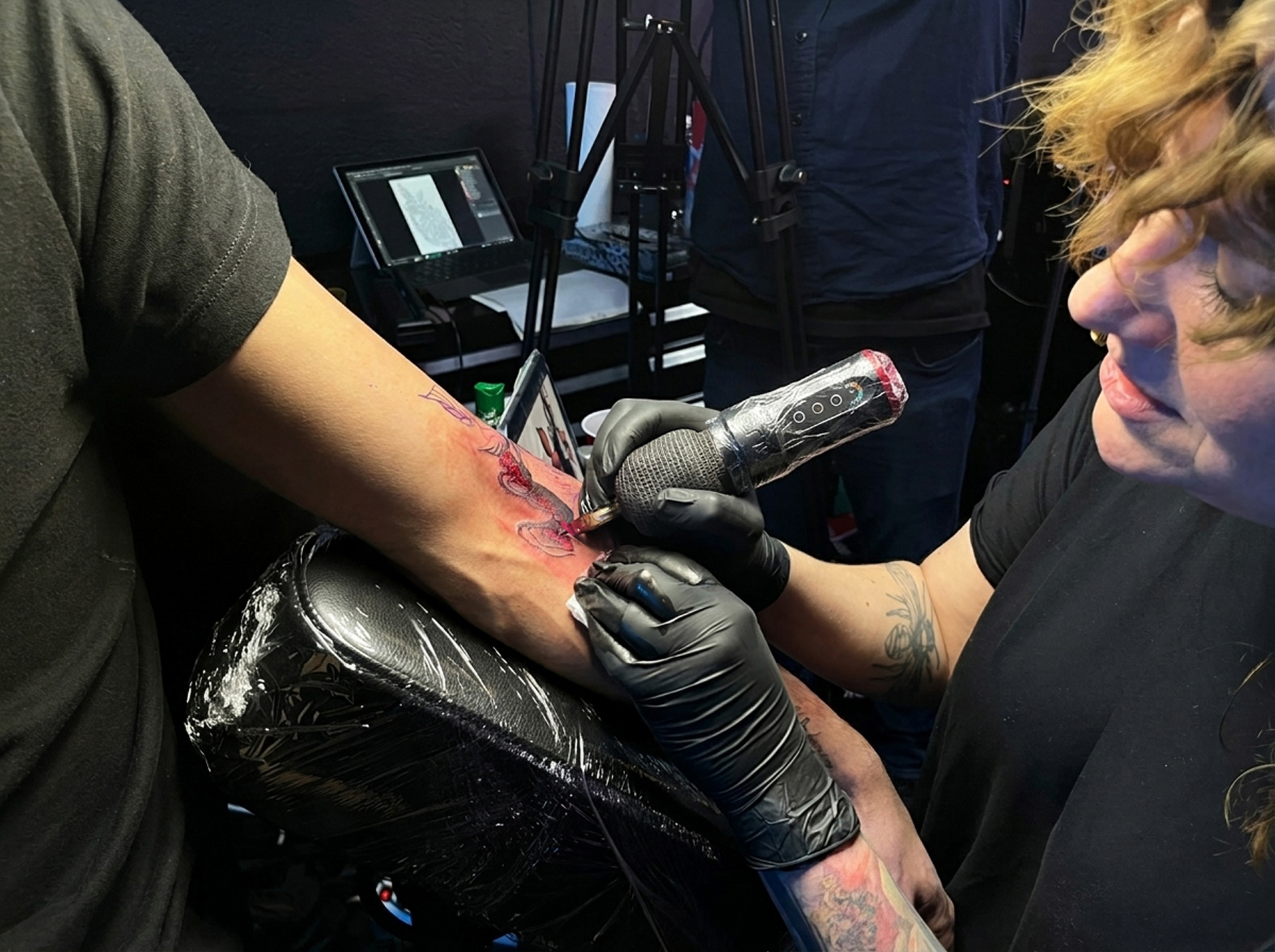
FK Irons had never designed for someone who didn't already know how to tattoo and wanted a way to introduce the brand to first time artists as they start their careers. Apprentices almost universally start on a machine their mentor gives them. Most often times its a coil machine that is heavy and analog in every sense. It's the opposite of what the industry has moved toward. Pen style machines are now the professional standard because of their lightness, intuitiveness and the ease of sanitization. Apprentices' wanted something that felt credible from day one and not a placeholder until they could afford a pro level machine.

Redefining An Entry Level Machine
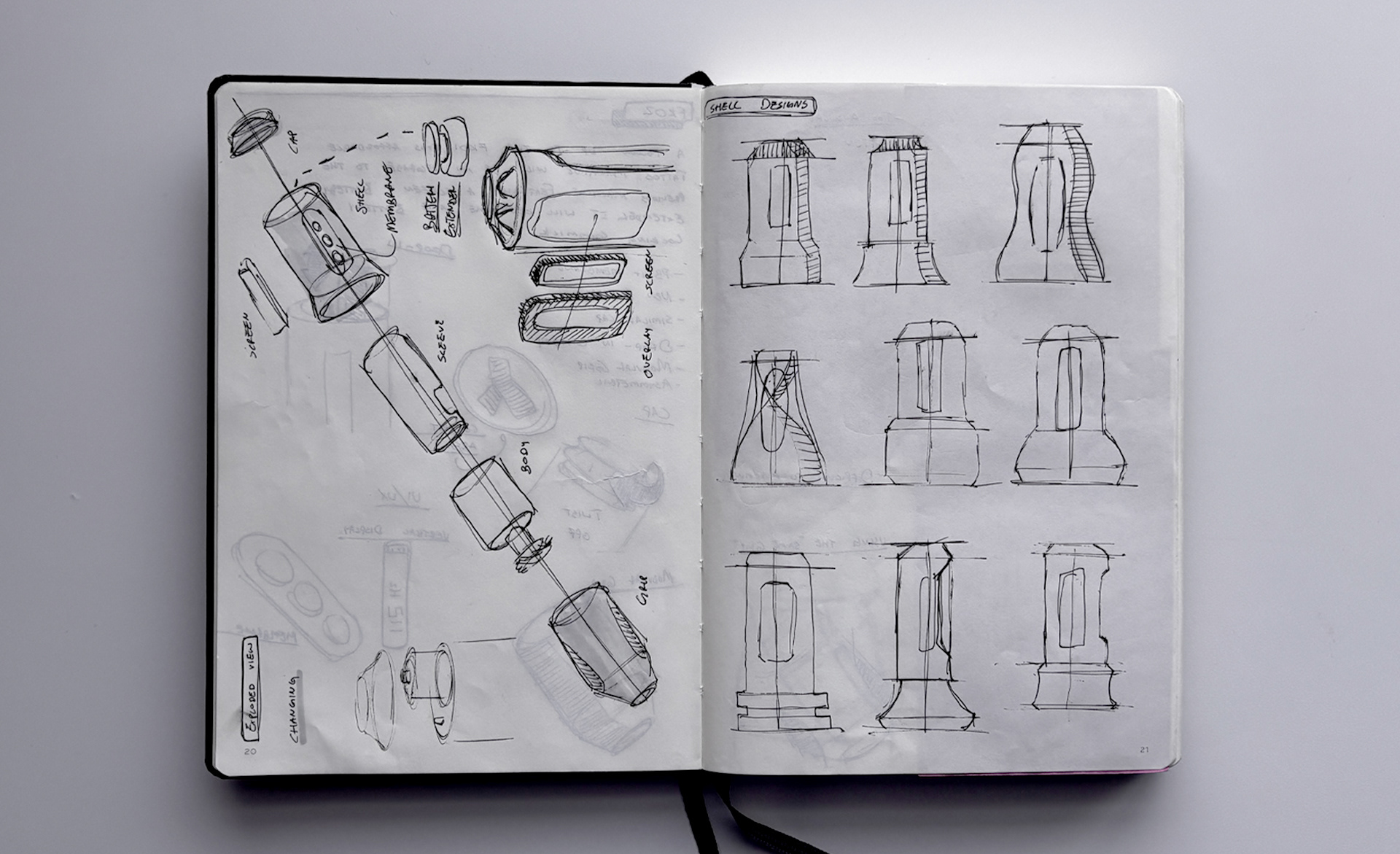
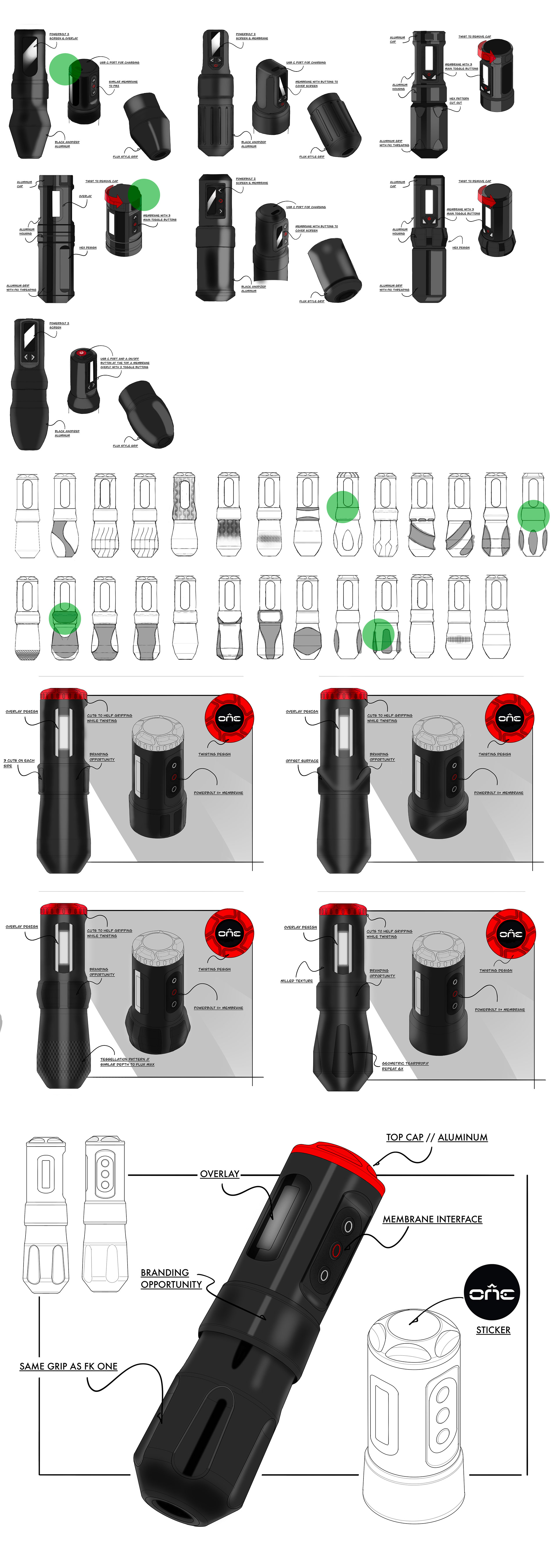
Adapting the design language to an entry-level machine meant working smarter with what already existed. Rather than starting from scratch, we modified existing components from the Modular Collection to maintain visual continuity with the broader FK Irons lineup. This made the FK One feel like it belonged to the product family without carrying the cost structure of a flagship. The rounded form language was a deliberate departure from the chamfered precision-tool aesthetic of the Flux Max; approachable where that machine is authoritative, simplified where it is complex.
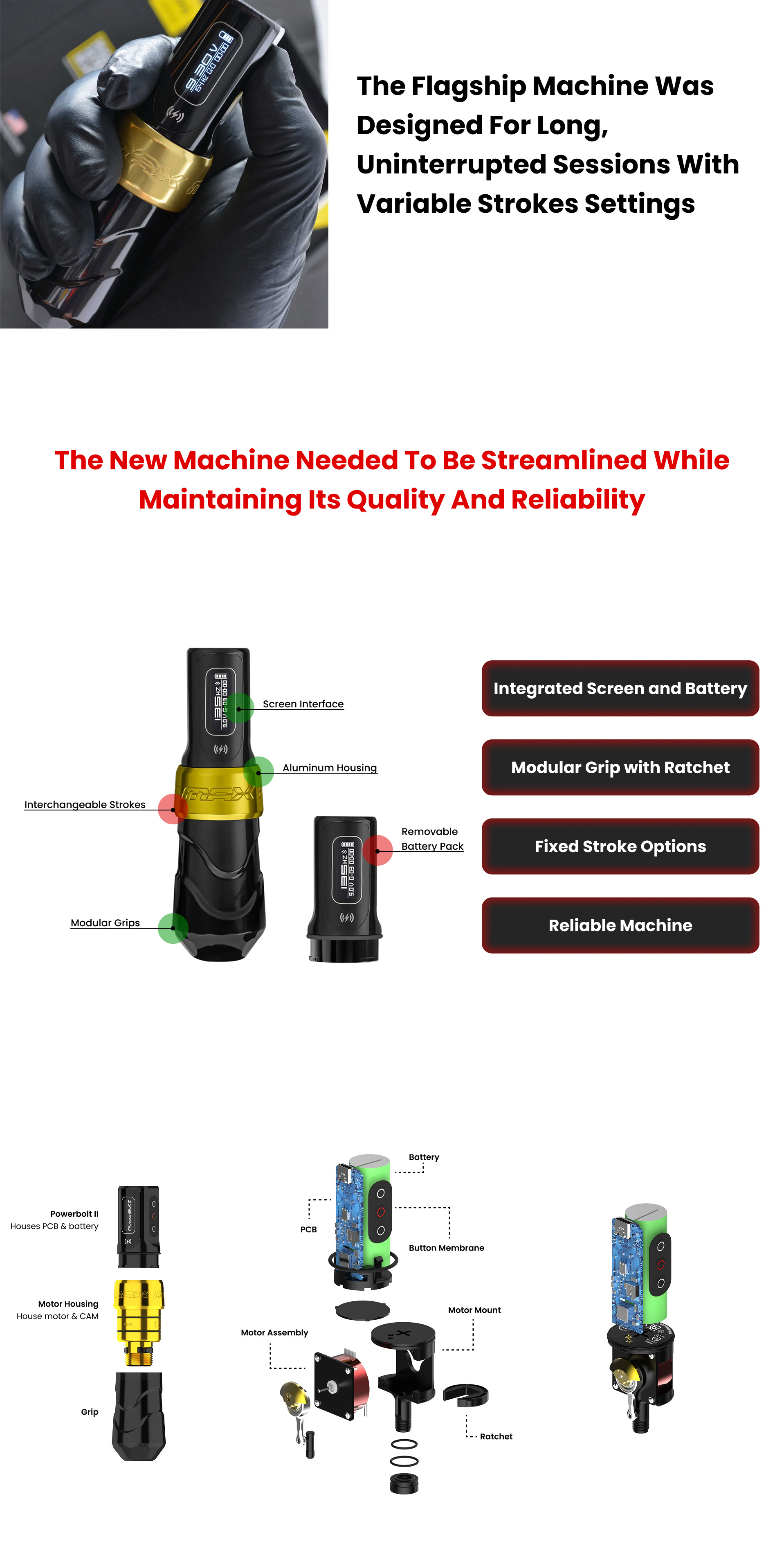
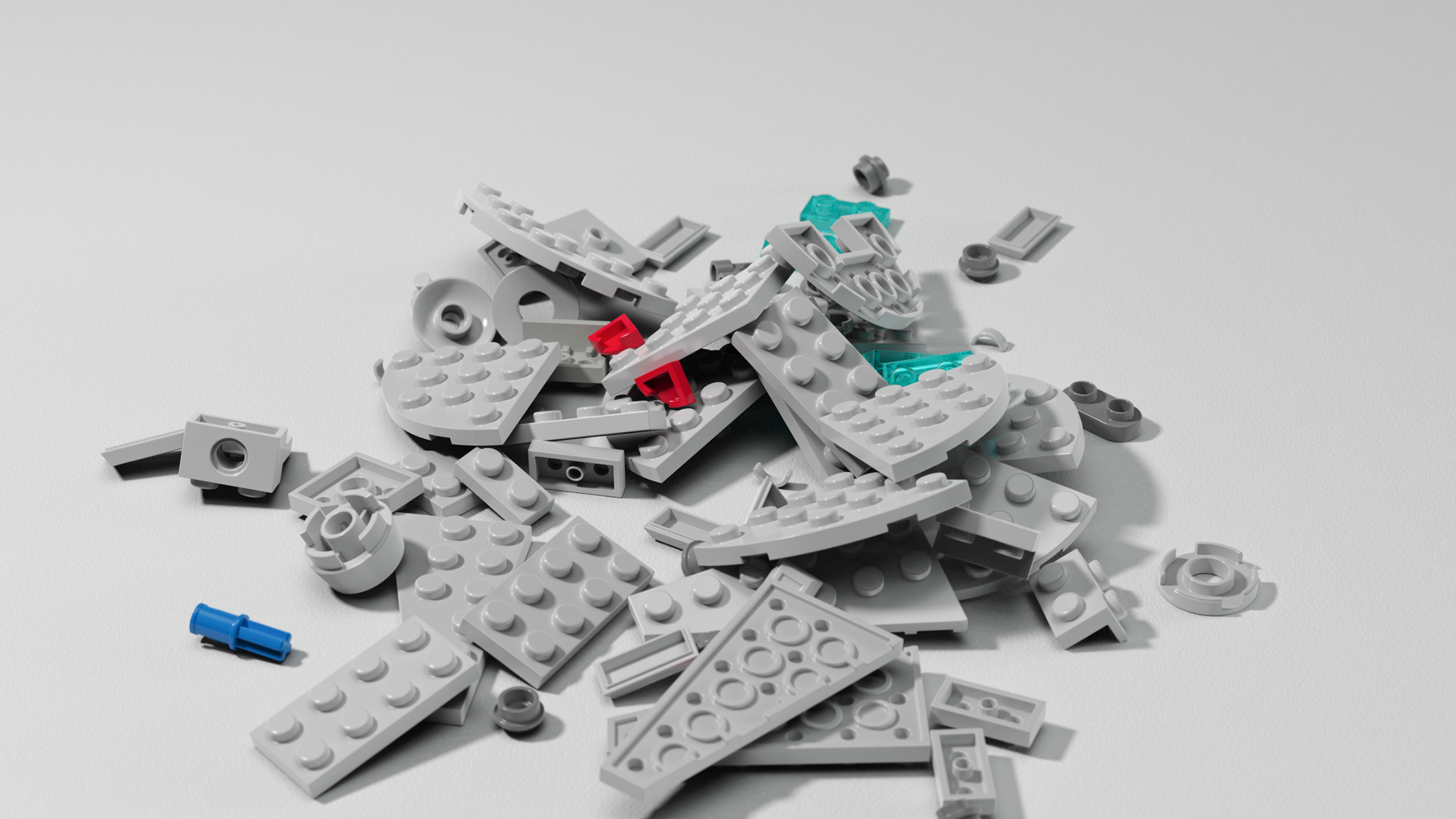
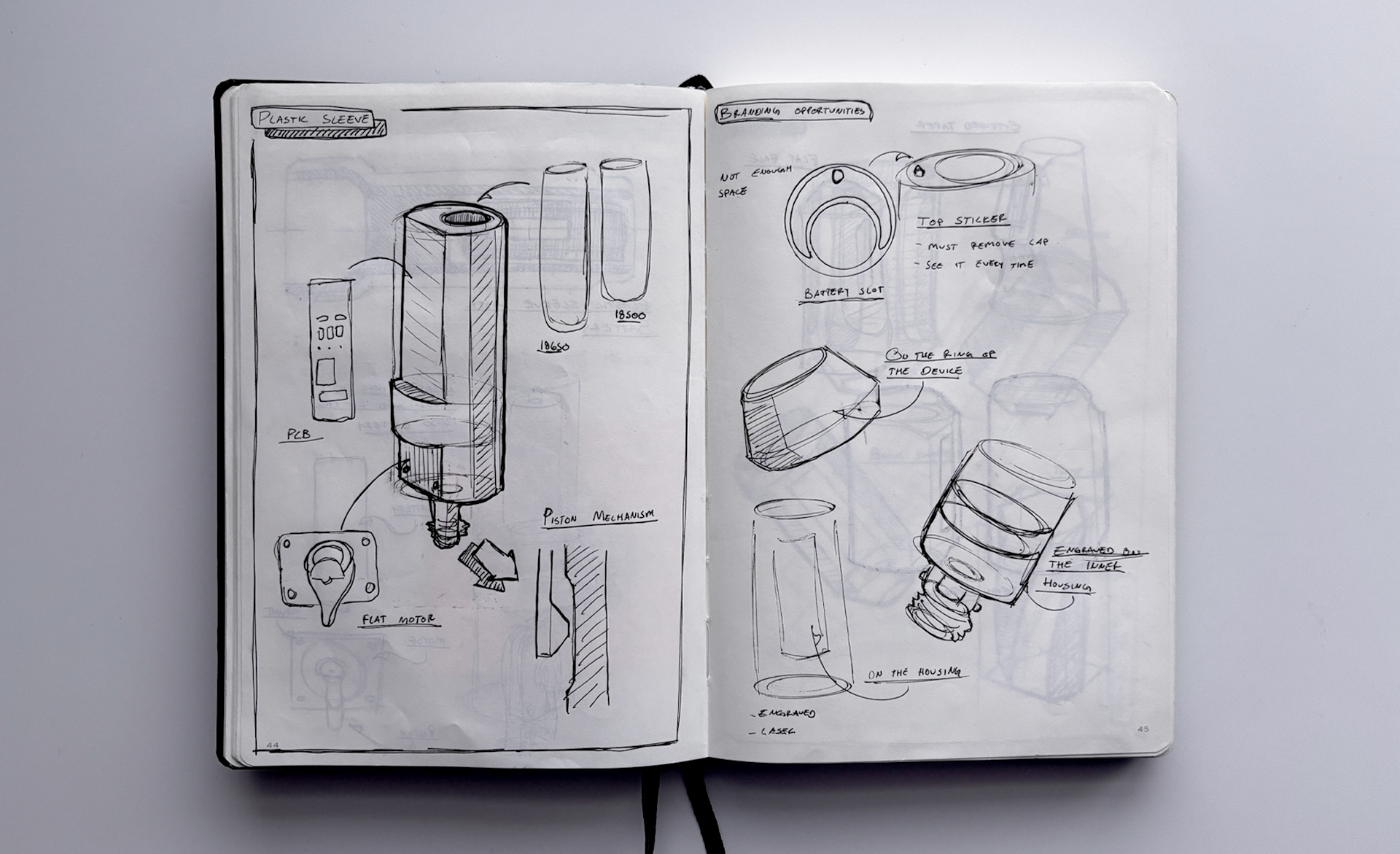
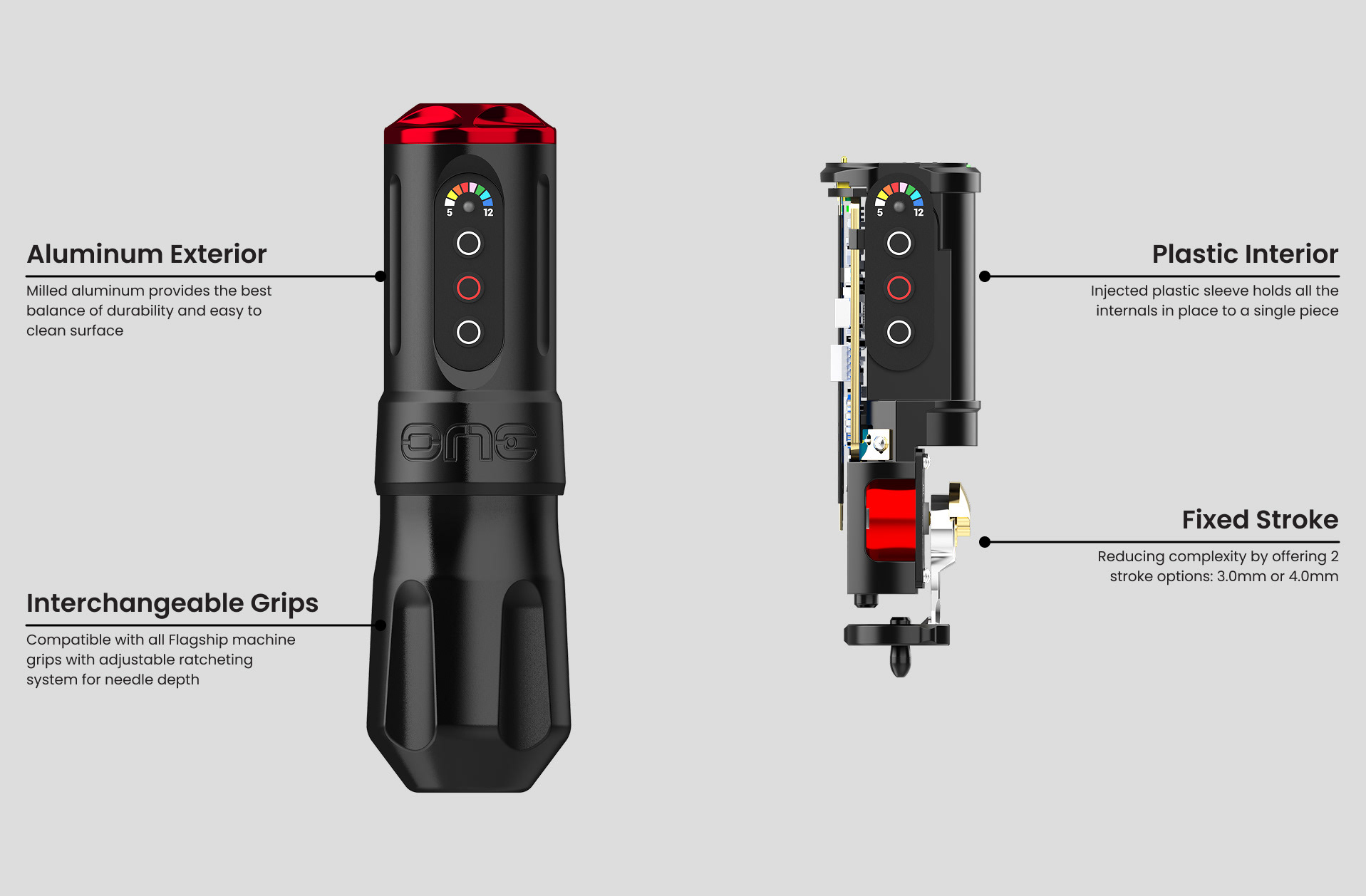
The current system uses a wireless battery pack that can be swapped out and charged. The motor housing services as the main attachment piece for this modular system and houses the motor assembly. The goal was to simplify the current product by creating a unified plastic sleeve to mount the PCB and motor. Thus reducing part count, simplifying assembly, and lowering cost.


Designing Around the Constraint
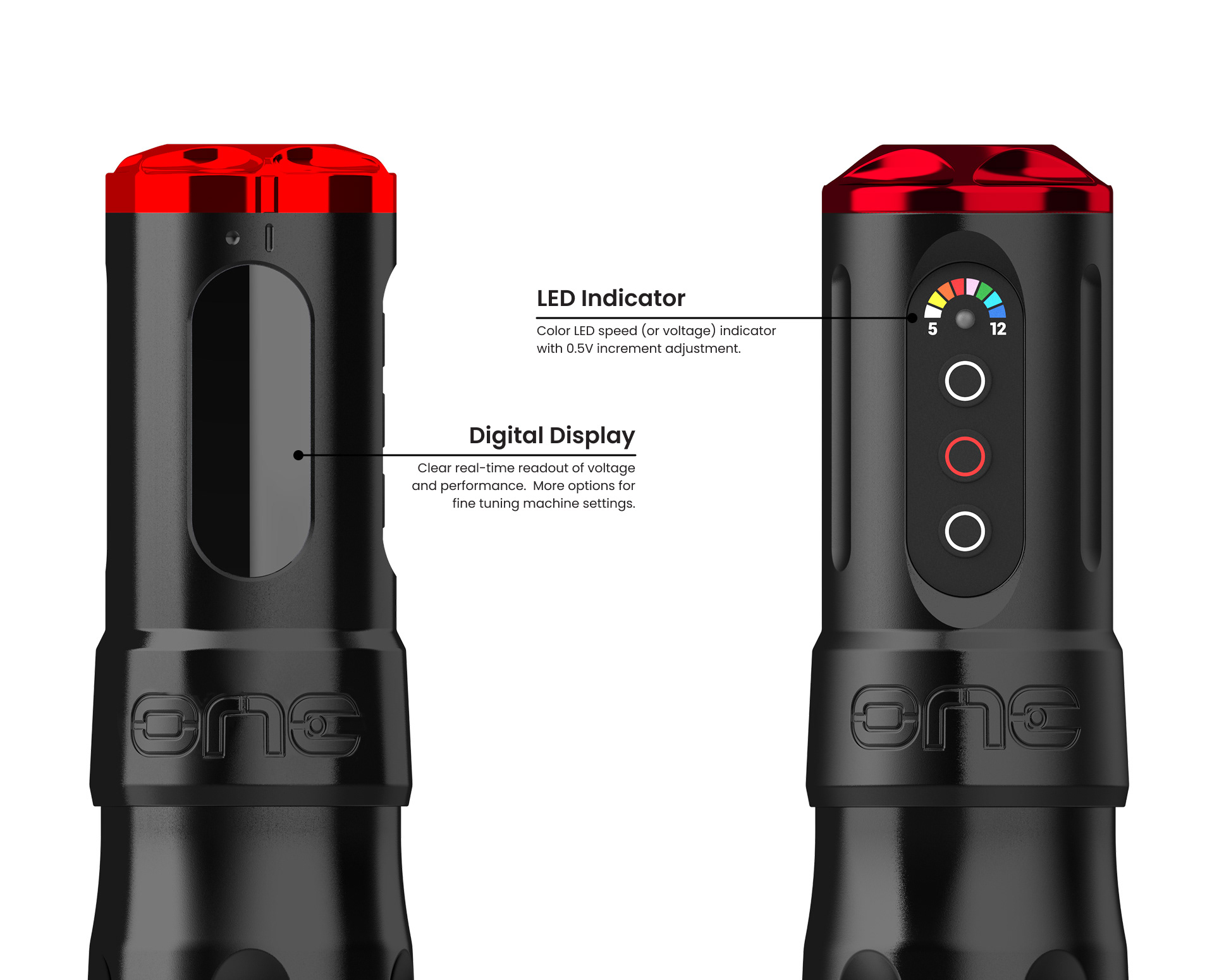
Midway through development, steep tariffs and extended component lead times made the original LCD interface impossible to hit on cost or timeline. Rather than delay the launch, I simplified the interface to a membrane button matrix previously found on older generation FK Irons machines. It was a shift that traded screen-based UI for something more durable, faster to manufacture, and easier to seal against the studio environment. I used the moment to build a roadmap rather than just solve the immediate problem, scoping the screen-based UI/UX as the defining feature of the second-generation machine. What started as a supply chain problem became a clearer product strategy: launch lean, see if the market adopts it, and let the interface evolve once the constraint lifted.



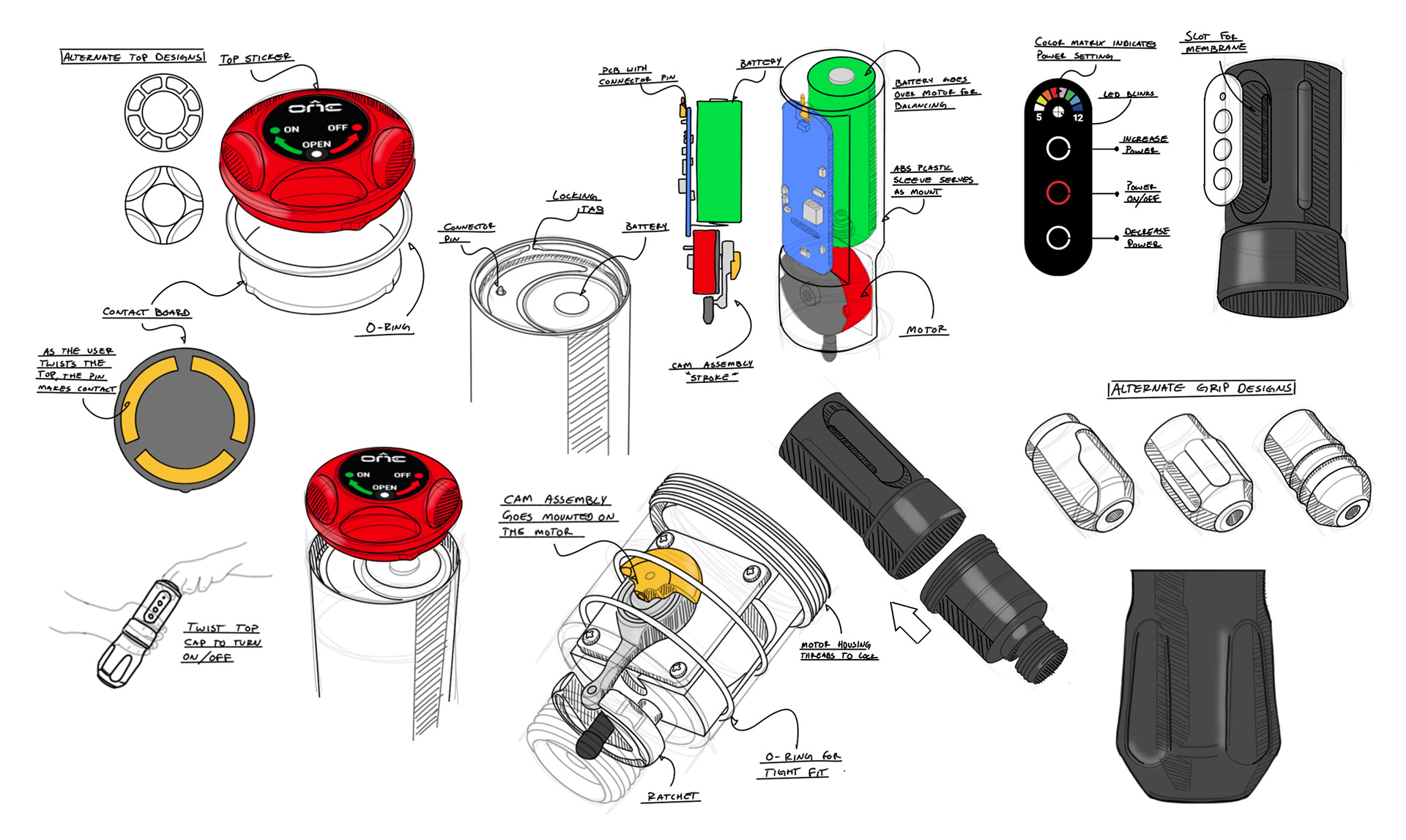
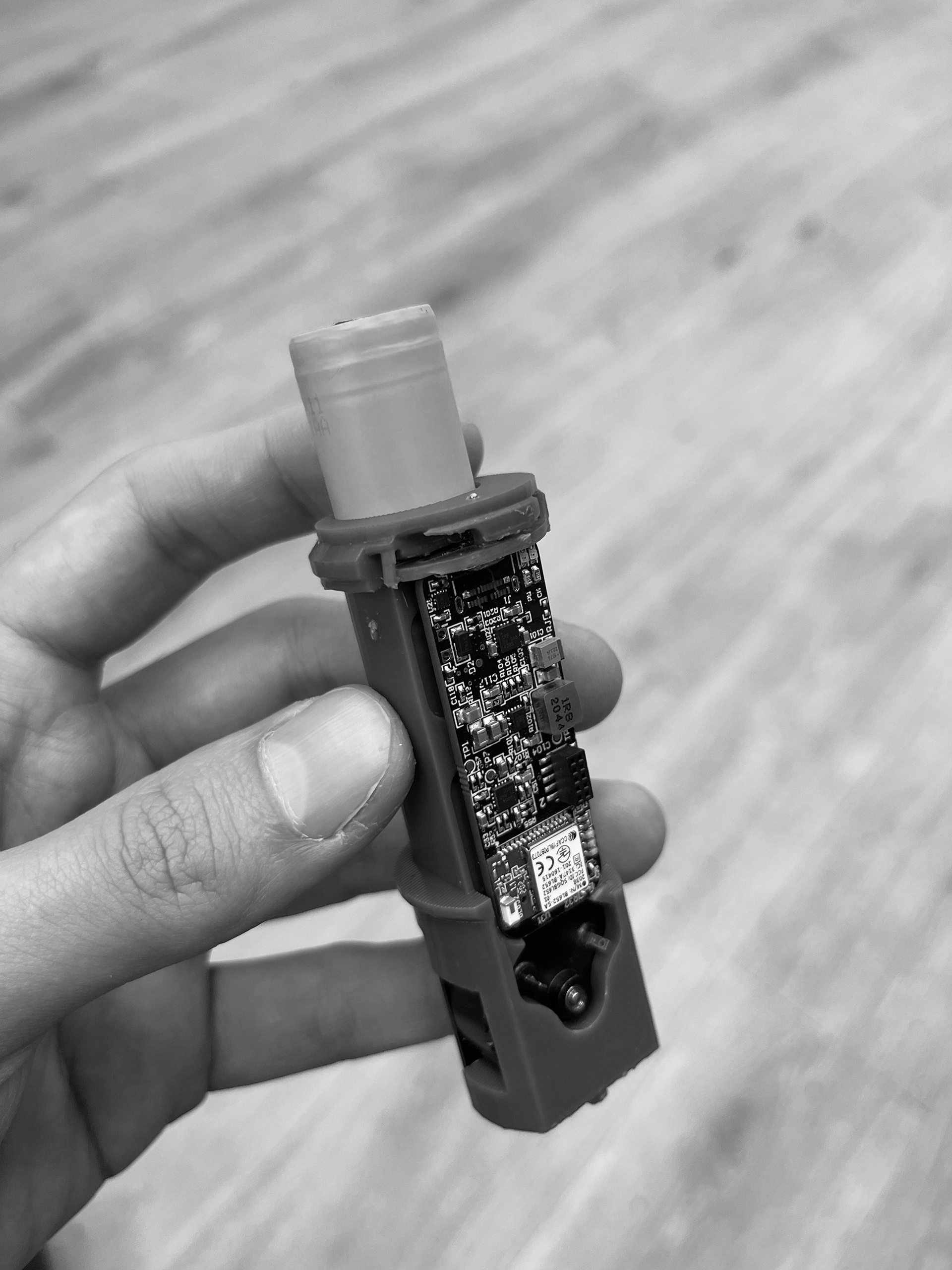
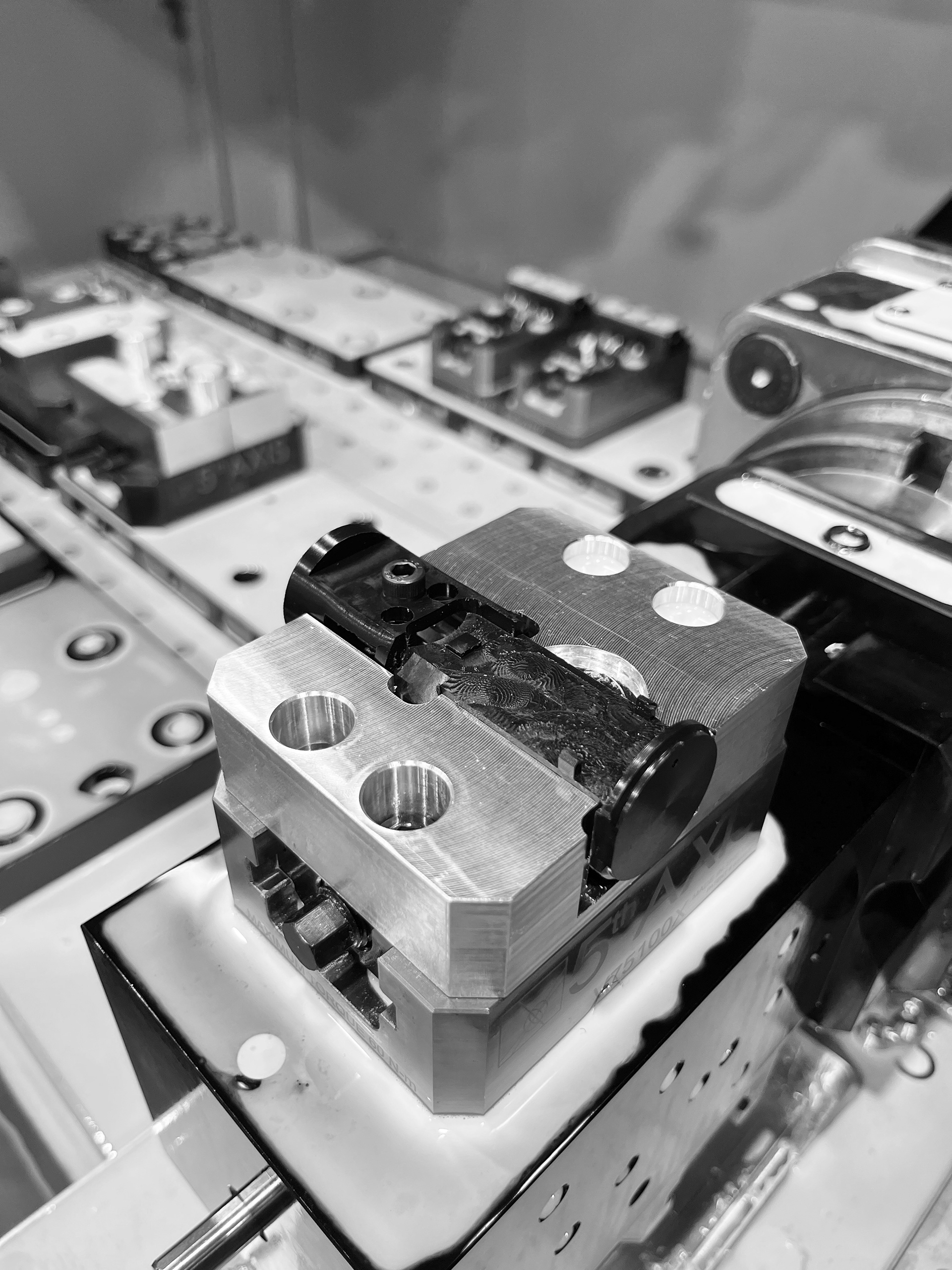

The real engineering story was inside the housing. I led the effort to consolidate the internal architecture into a unified plastic sleeve that mounted both the PCB and motor as a single component. This reduced the part count, simplified assembly, and made the target price point achievable without cutting corners on build quality. The integrated battery followed the same logic: the motor housing doubles as the primary attachment point, keeping the stroke mechanism clean and the overall construction tight.


Launch Your Career
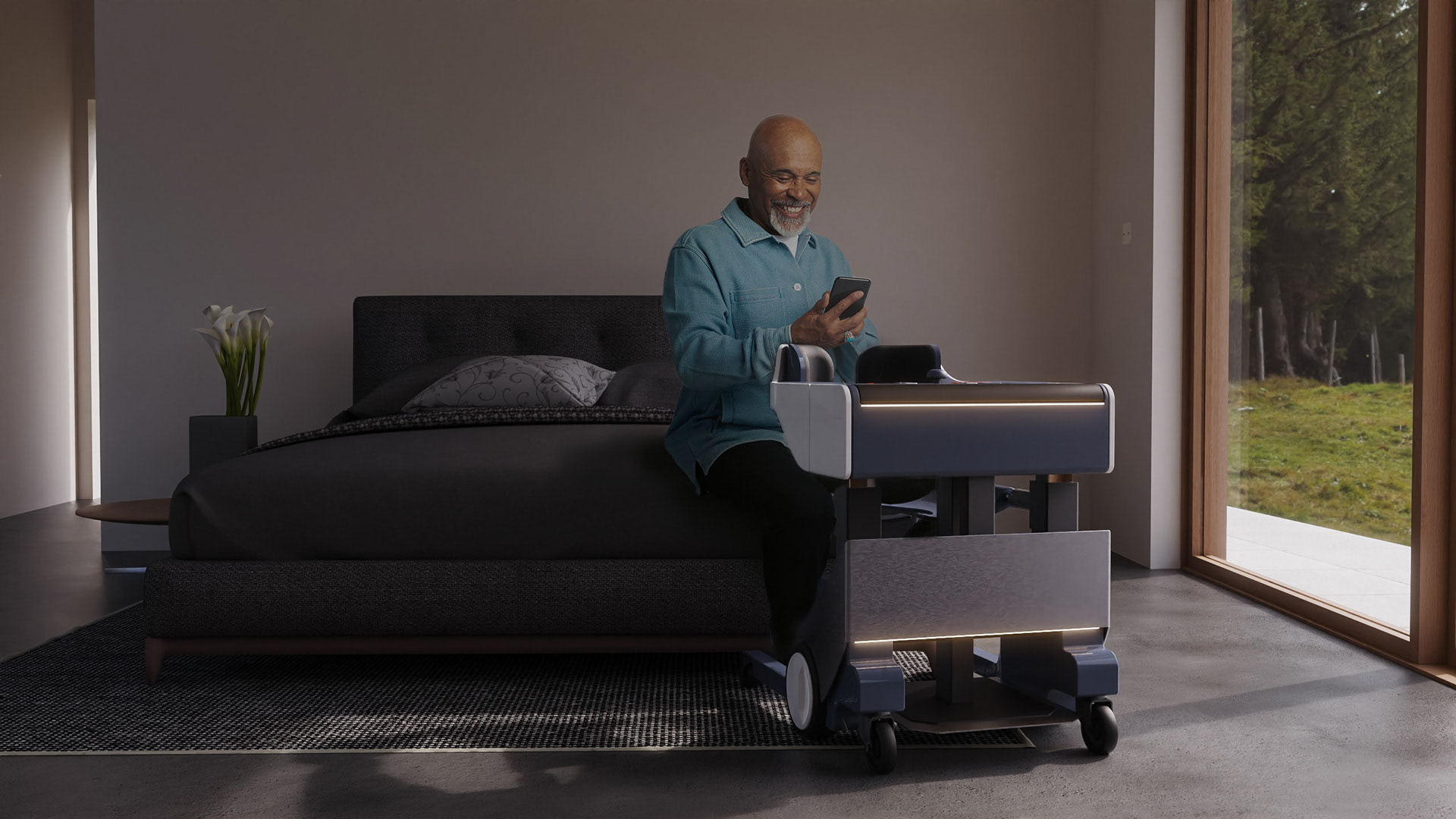
The FK One launched as a complete package that included the machine, dual-battery charging dock, and modular grip compatibility included out of the box. The goal was to remove every barrier that had historically kept quality equipment out of apprentices' hands: price, complexity, and using out-dated machines that would not be used after an apprenticeship. By retaining full compatibility with the FK Modular Collection, the FK One made that upgrade seamless. An artist could start on the FK One and carry their grips, their muscle memory, and their brand loyalty directly into the flagship lineup. The machine is now carried across every major tattoo supply distributor in North America — TATSoul, Painful Pleasures, The Needle Parlor, and Ultimate Tattoo Supply among them — validating the distribution strategy that the design was built to support. FK Irons' own engineer described the brief plainly: "make tattooing more fun by allowing artists to focus on what matters most — the art." The FK One answered that brief at a price point the industry had never seen from a manufacturer of this caliber.