Taesun Kit
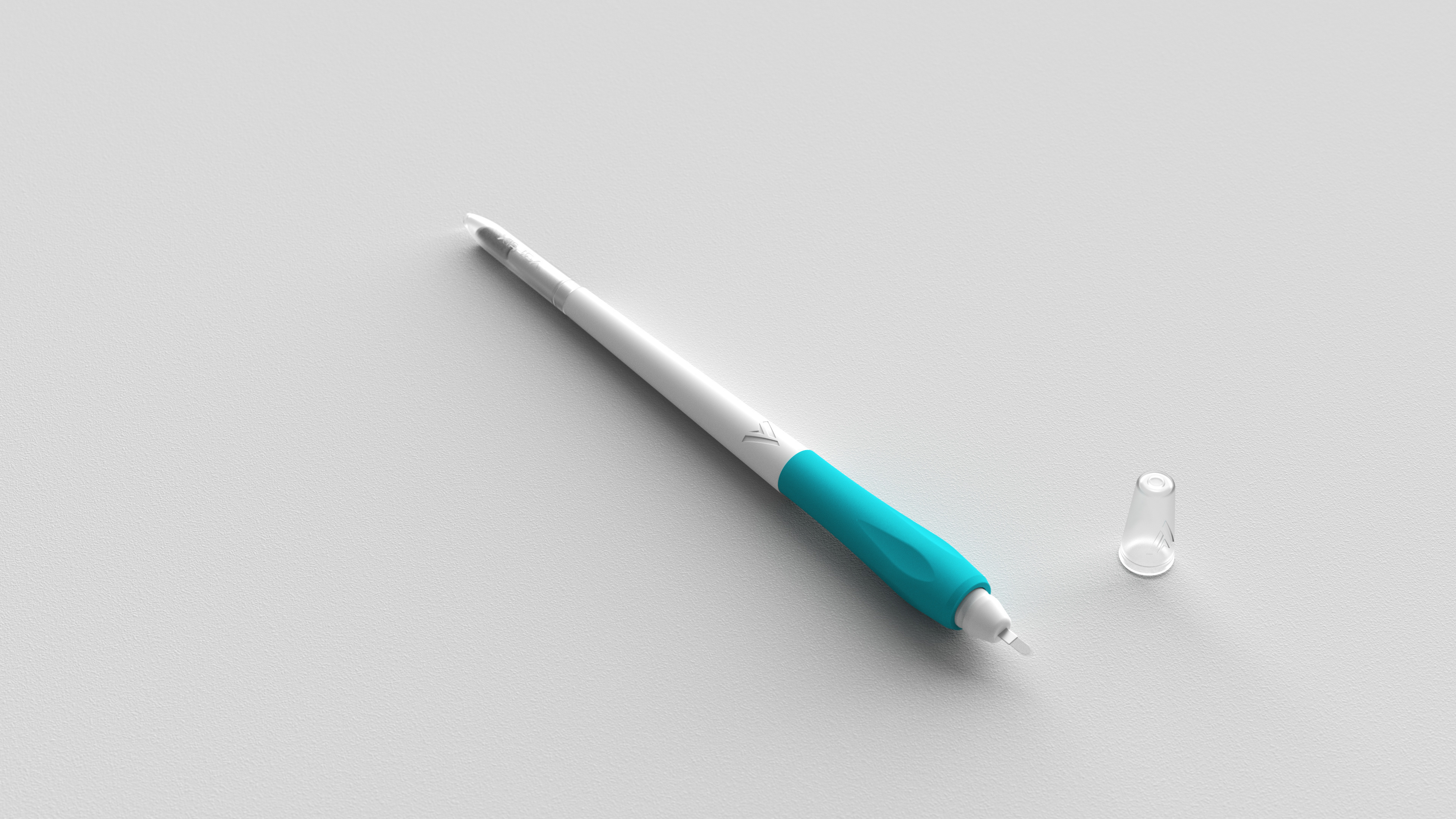
TaeSun is a portable fentanyl testing kit designed for safer recreational drug use. After Dr. Jeanie Chung lost her son Jackson TaeSun to a fentanyl overdose, she channeled her grief into action by founding TaeSun LLC and developing a device that could prevent other families from experiencing the same tragedy. The TaeSun Kit redesigns the experience entirely with a discreet device with a built-in grinder, integrated water release, and a clear result window. Designed to be carried without stigma and used even while impaired, TaeSun is currently being tested with Brown University and is moving toward broader distribution through organizations, universities, and festivals. I was brought in to lead the industrial design and work closely with the engineering team to produce working prototypes for testing at a clinical trial at Brown University.
3 month contract for General Populace
My Role:
Research
Industrial Design
Design Strategy
Prototyping
Visualization
Industrial Design Lead: Germán Monetti
Design Manager: Sebastian Gomez- Puerto
Junior Industrial Designer: Aref Zebian

The Opportunity:
TaeSun LLC was founded by Dr. Jeanie Chung, who turned the loss of her son to a fentanyl overdose into a mission to keep other families from the same tragedy. Fentanyl drives nearly 70% of U.S. overdose deaths and is most often found in counterfeit pills, yet people rarely test because kits are inconvenient and carry stigma. Most existing kits only suit powders, need extra supplies, and are built for controlled settings at home. The opportunity was a market differentiator: a discreet, all-in-one kit that grinds, mixes, and tests in any setting, even while impaired.
The Outcome:
Working closely with engineering, I turned feedback on unreliable mixing into a stronger concept with controlled dosing and a single 90-degree knob turn that releases water, a more dependable offering than the V1 prototype. The result is a pocketable device with a built-in grinder and a clear result window, ready for field testing. Brown University is now running a study with more than 300 samples of real fentanyl to validate and refine the final form. By combining user research, design strategy, and a stigma-free visual language, the project takes a holistic approach that makes testing easier, more accessible, and more accepted.


Confident Testing
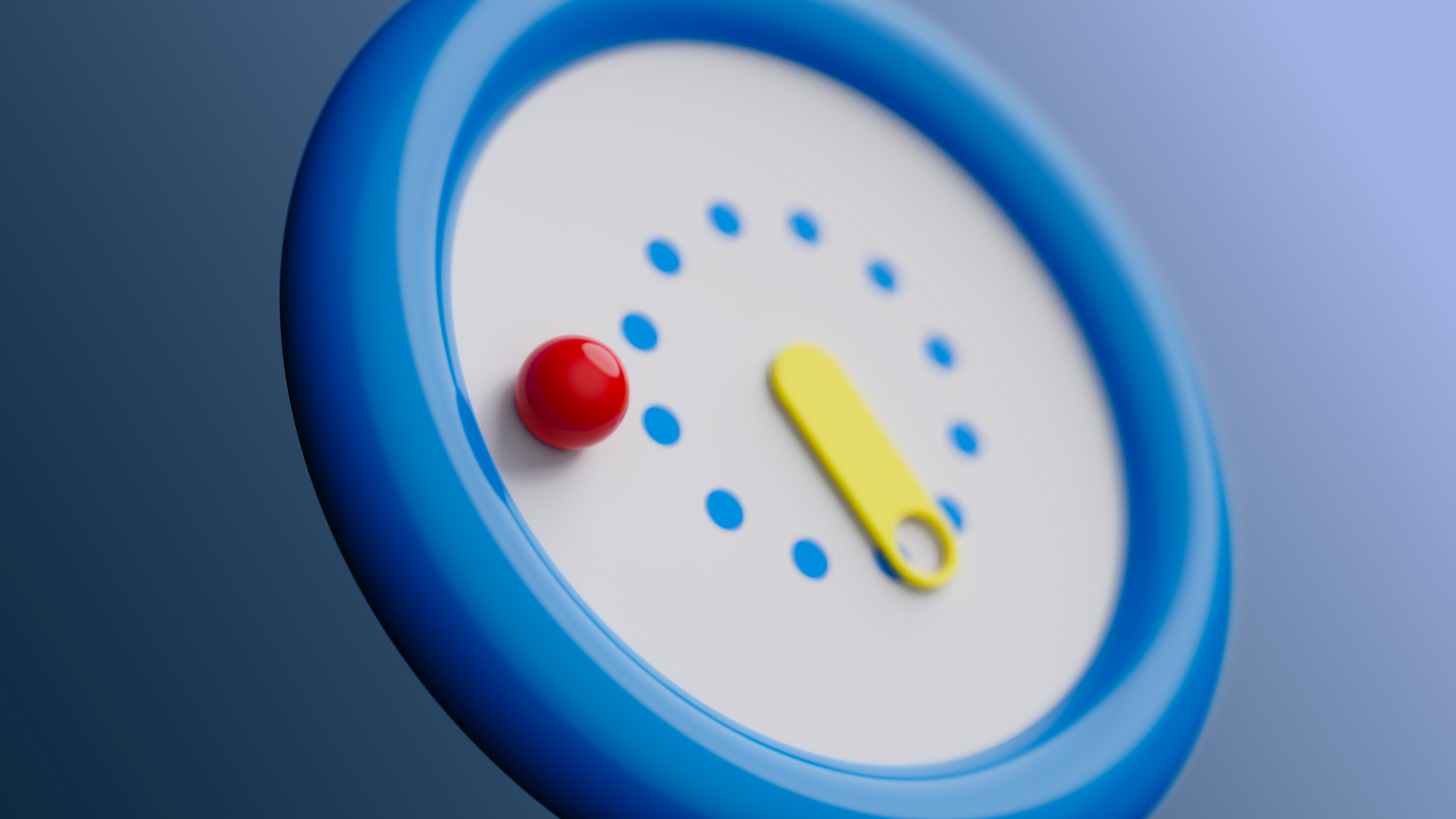
The Taesun Phase 01 device was designed to simplify drug testing and is ready for field testing. Its compact, ergonomic design fits comfortably in the hand while users grind and test a substance. The user first inserts a pilled substance into the crushing chamber. By threading the cap, the pill is crushed and filtered into a dosing chamber. Once the cap is fully threaded in, the user then turns the dosing chamber and aligns the dots on the opposite end. This communicates to the user that the appropriate amount of substance has filtered through and is ready to be mixed with a water solution. By turning the knob 90 degrees and shaking the device, the water is mixed with the substance and is allowed to saturate the fentanyl testing strip that is embedded. Results are shown after 3-5 minutes.


Designed Around Constraints
By starting with the V1 prototype produced by Taesun, I was able to see what worked and what needed to be addressed. The product sets out to create an all-in-one solution for crushing and testing illicit substances that might be laced with Fentanyl. The top portion of the device is used for crushing a pill into a powdered form. Water is added from the top (via integrated water vial) to flush the substance down into the side chute. The ideation process explored the ideas of the device being discreet and pocket sized. The reasoning being that it can be used right when the opportunity presents itself with no barriers to testing.
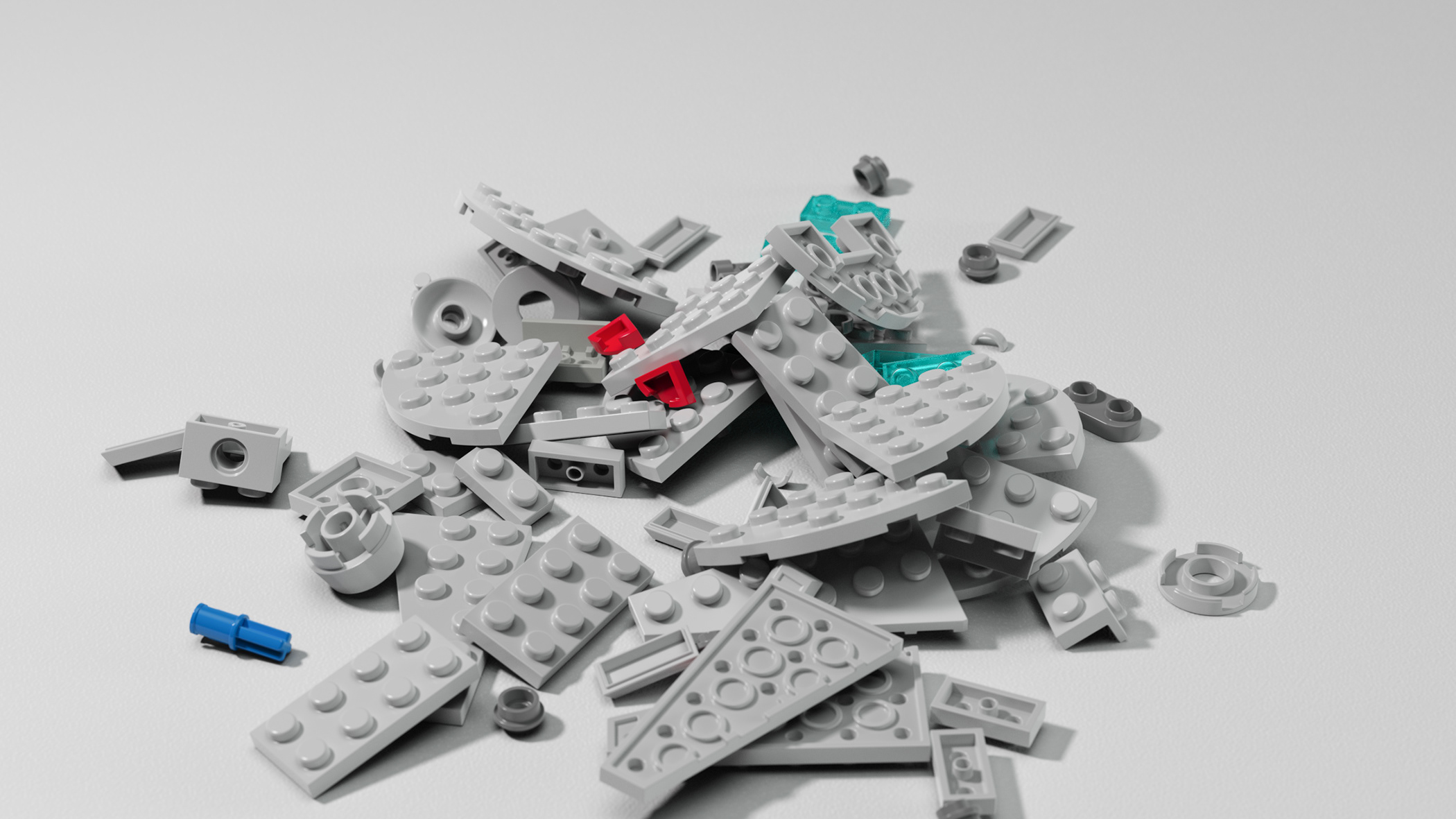
Different grinding mechanisms were explored to see how effective they were at crushing a pilled substance and how compact they could be to fit into a slim form factor. Careful attention was placed to keeping the steps simple and easy to do in many different social environments. The project hit a roadblock during the concepting phase, the client and engineer came back with feedback after prototypes were not effectively mixing the drug with the water solution. The concept needed better dosing, reliable mixing, and a robust water system to ensure no "False Negatives." The final result was to develop a controlled dosing step and have a 90 degree turn valve release to avoid any capillary action that might result from having integrated water.