Powerbolt II
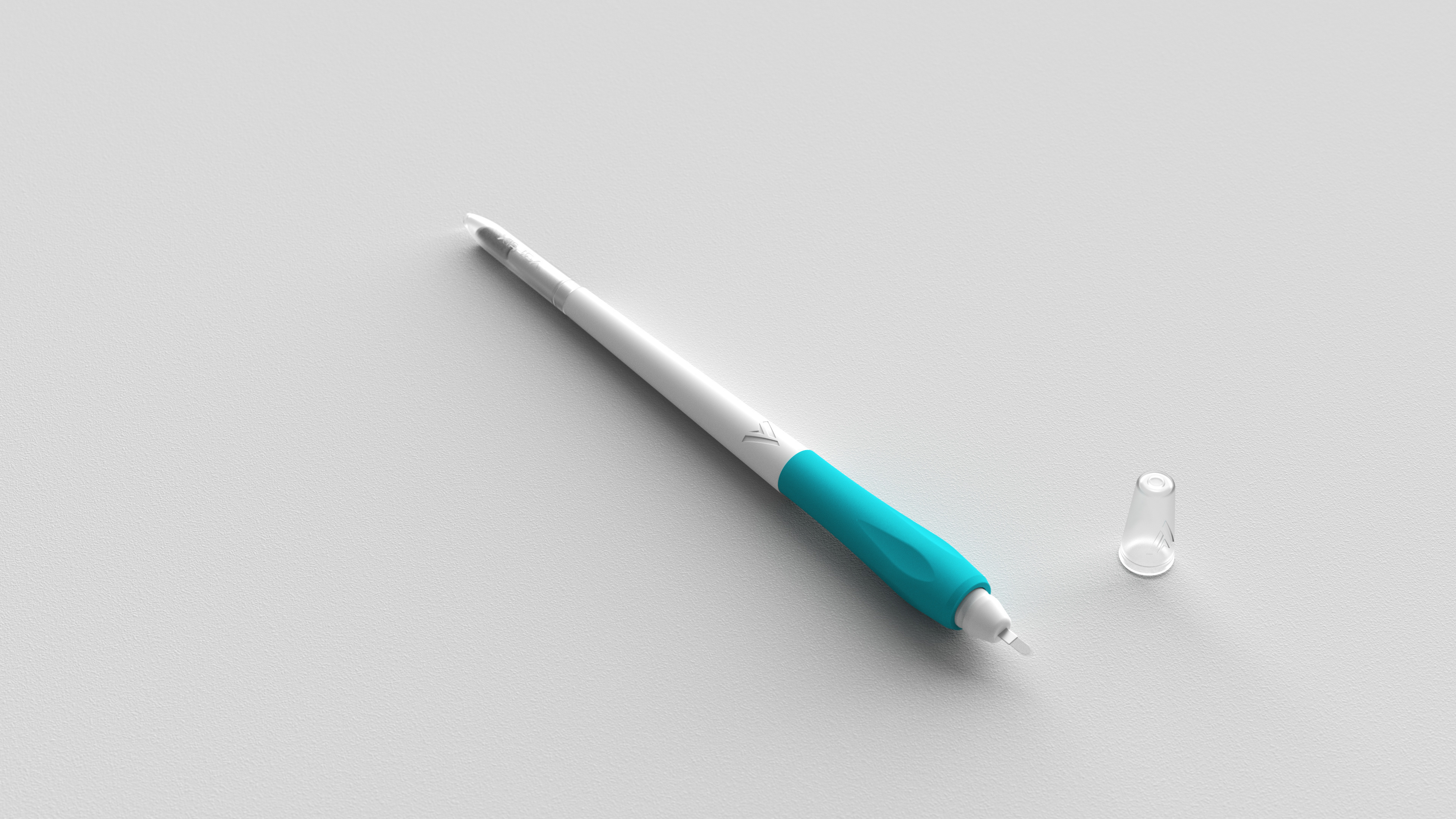
When the FLUX launched, it revolutionized the tattoo industry by being the first wireless machine to market. The time came to update to a new generation with a more refined product offering and an updated wireless battery pack. The Powerbolt II launched a more dynamic, technology-forward direction for FK Irons and set the foundation for the visual language the brand now builds on. I designed it alongside its companion, the Flux Max, moving the FLUX line to a modular system with a refreshed silhouette and sweeping chamfers that carry through from the PowerBolt.
The product is currently in production and is for sale on FK Irons' website here.
Engineering Team: Fernando Diaz & Christian Bonomo
My Role:
Research
Industrial Design
Design Strategy
Prototyping
Visualization


Designing A Seamless Tattooing Experience
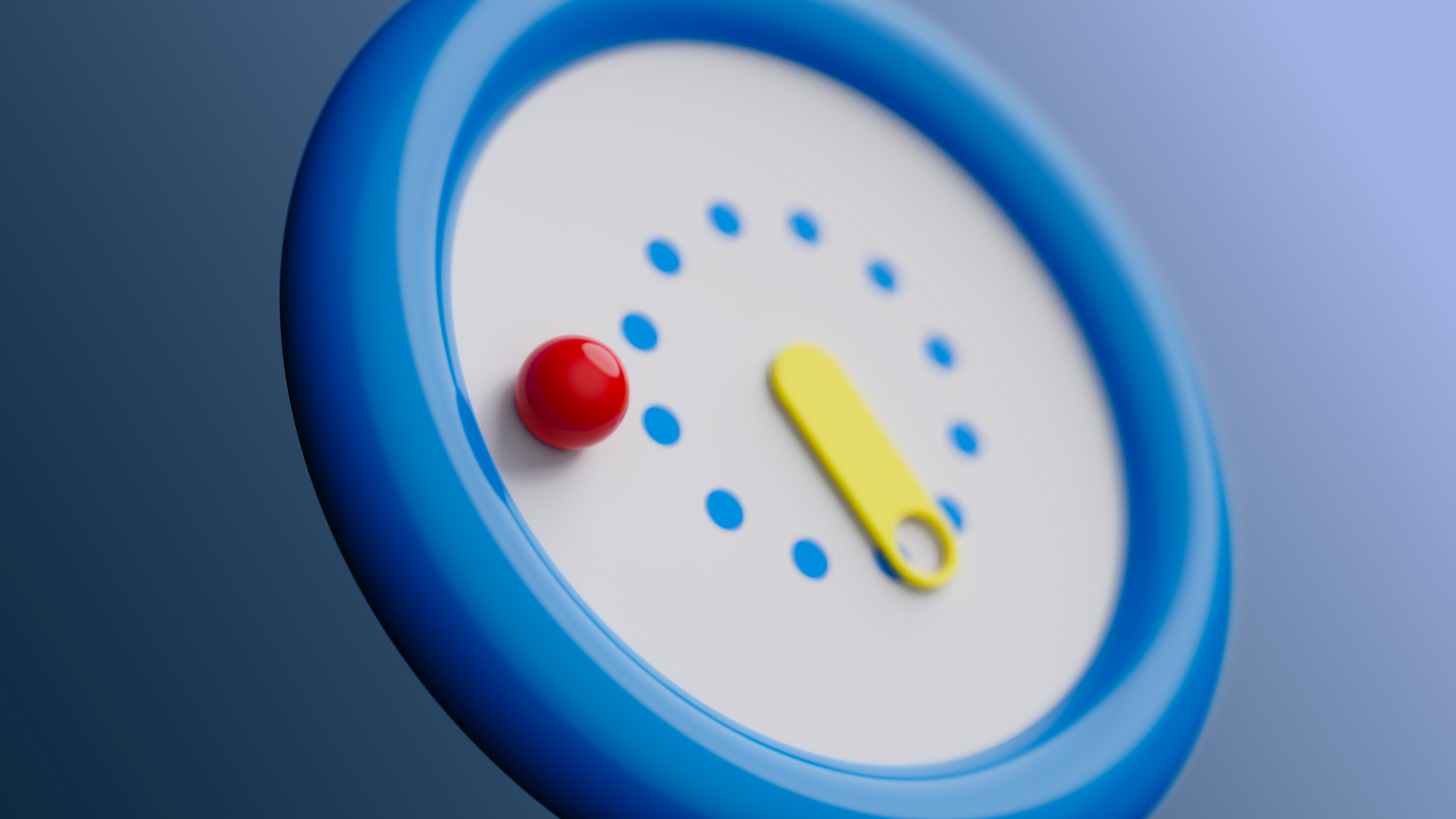
I took on the challenege of also designing the UI/UX of the Poewrbolt II. I mapped the full flow, from USB-C activation through settings to shutdown, so every state had a clear entry and exit. A three-button membrane keeps daily use to a single press, while a three-second hold on the center button opens the settings menu. This makes a deliberate action out of anything less frequent. On the display, I put the information artists need mid-session (power, timer, battery) in the primary view, with e-give and Bluetooth status alongside. I paired each of the seven settings with a pixel icon and its state so it reads at a glance without a manual. I then extended the system to the Killswitch footswitch and Darklab app, so the on-device interface works on its own and alongside both, and added sleep and battery-disconnect behavior to protect battery life in the shop and in transit on planes.


The Next Generation of Tattooing
Modernizing the FLUX flagship to represent a new direction for the brand. The original was defined by its organic form and center-balanced weight distribution. Early in development, I proposed a new Visual Design Language (VDL) for next-generation machines, drawing on industry trends and the brand’s push toward improved technology. The VDL centered on the silhouette, with more refined, dynamic, sweeping surfaces taking shape as development unfolded. My goal was for the machine to look and feel like a worthy upgrade and an essential tool within a cohesive ecosystem.
PowerBolt II was the largest project the team had taken on at the time. With the board and LCD already sourced, the challenge was designing an intuitive experience around them. Holding the form factor was the biggest constraint: it had to remain backwards compatible with the previous generation and retain the original PowerBolt’s silhouette. I explored multiple iterations of the LCD and button interface without increasing the diameter or length. I chose a membrane interface for shorter lead times and because it keeps the device spray-resistant and easy to wipe clean between sessions.